
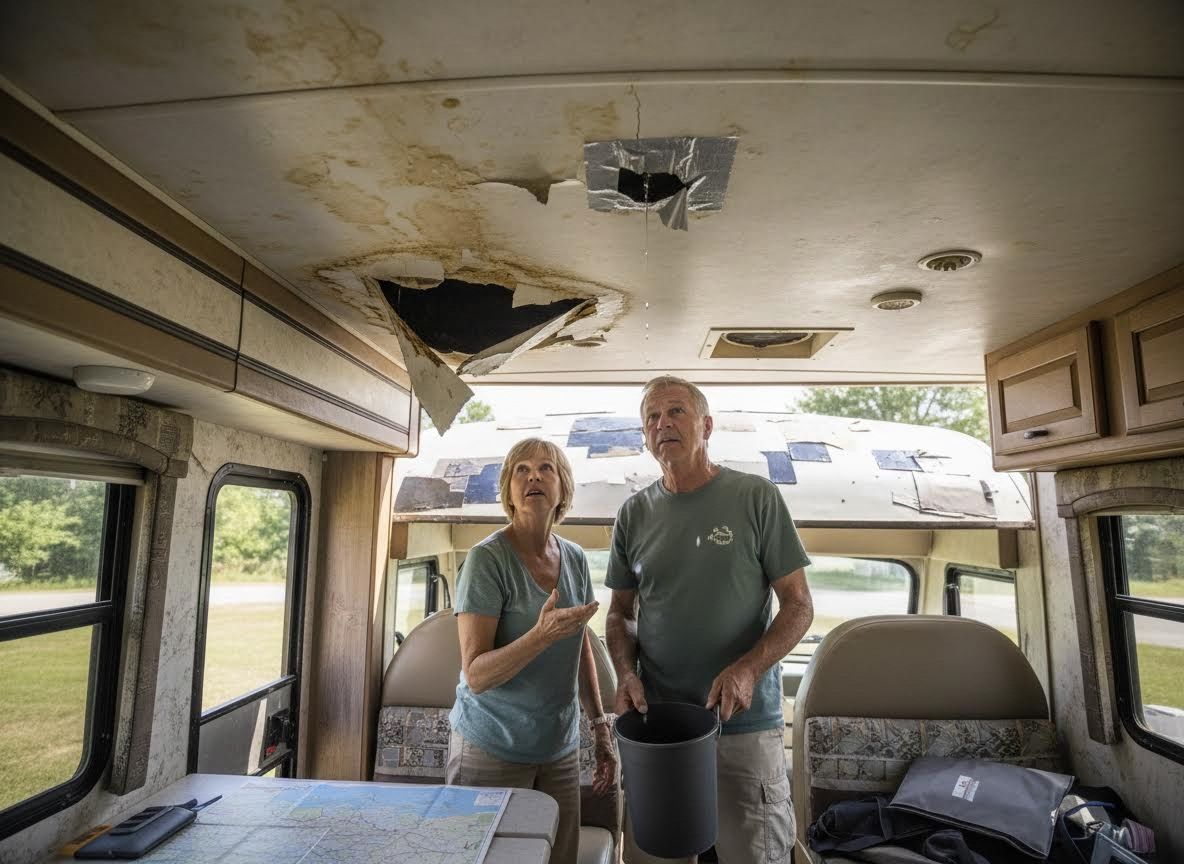
When water finds its way into your RV, it can quickly turn a dream vacation into a costly nightmare. Many RV owners turn to temporary roof sealants and patching kits, believing they're saving money with a quick fix. However, at Tennessee RV Flexarmor, we've seen firsthand how these seemingly inexpensive solutions often lead to far greater expenses and headaches down the road. It’s crucial to understand that while patching might offer immediate relief, it rarely addresses the root cause and sets you up for a continuous cycle of repairs.
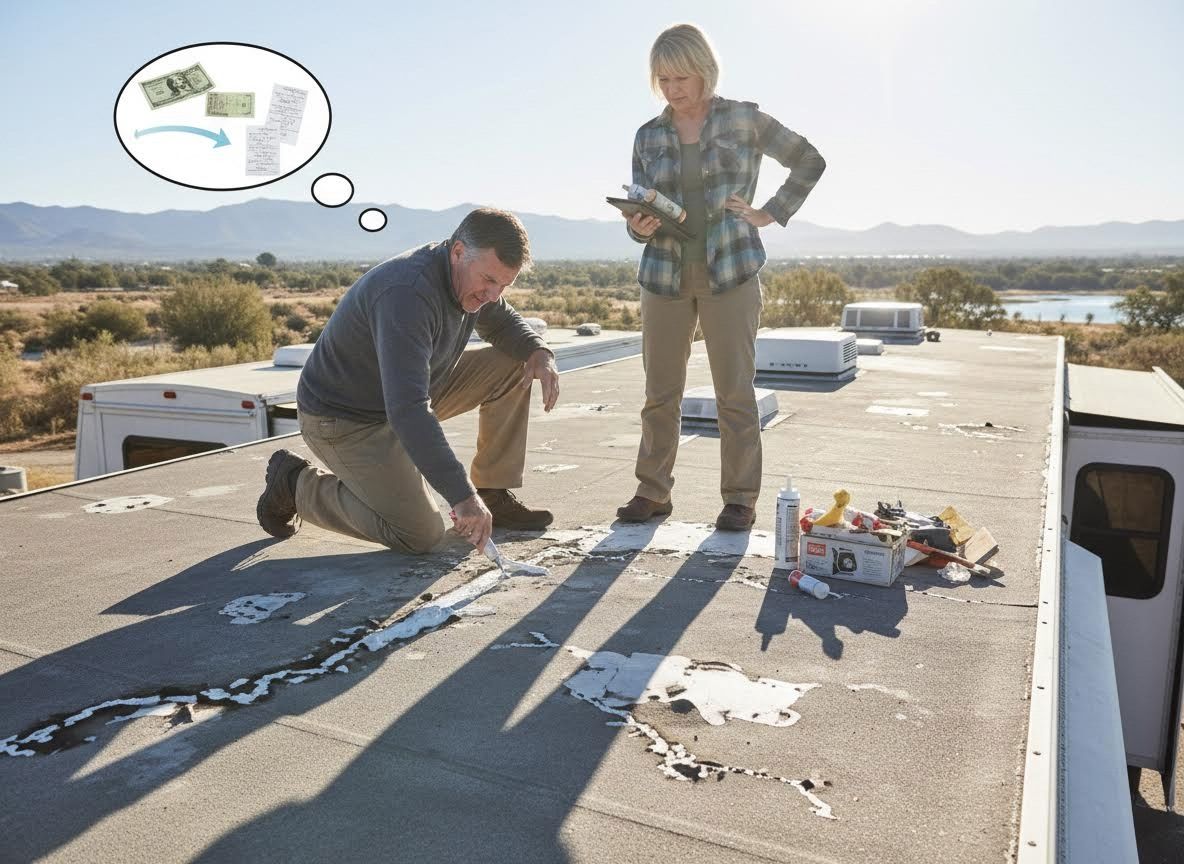
The Cycle of Temporary Fixes
The allure of a cheap tube of sealant or a patch kit is strong, especially when you're eager to get back on the road. But this approach often creates a never-ending cycle of maintenance. Standard RV roof systems, often made of rubber or TPO, are subjected to harsh elements like UV radiation, extreme temperatures, and hail, causing them to degrade, crack, and pull apart over time. Applying a sealant to one small leak often means another will appear elsewhere shortly after, or the original patch will fail. This constant re-sealing and re-patching not only consumes your valuable time and effort but also adds up financially, turning small expenditures into significant long-term costs that chip away at your travel budget and peace of mind.
Beyond the Surface: Hidden Water Damage
One of the most insidious "hidden costs" of relying on temporary roof sealants is the unseen damage that can accumulate. A small leak, though patched on the surface, can allow water to seep into the RV’s substructure, framework, and interior walls. This often goes unnoticed for months, or even years, leading to mold growth, wood rot, delamination of walls and ceilings, and damage to electrical systems. By the time these issues become apparent, the repair bill can skyrocket, turning what could have been a simple roof repair into a full-scale restoration project. This kind of extensive water damage can severely compromise the structural integrity and resale value of your home on wheels, costing you much more than any preventative measure ever would.
The Limitations of Standard RV Roof Systems
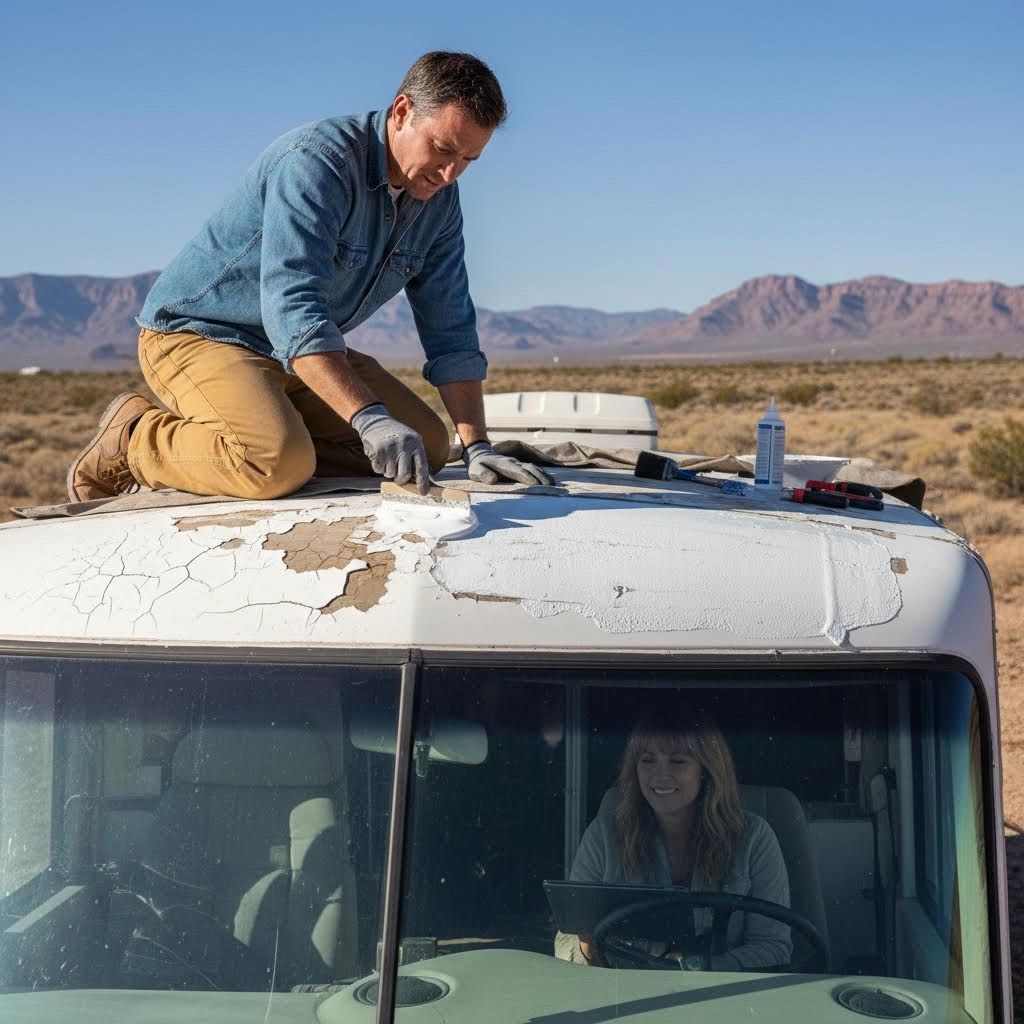
Most factory-installed RV roof systems are simply not designed for long-term durability in the face of constant exposure to the elements. They often consist of thin materials that are glued down, leaving seams and openings susceptible to leaks. Over time, these materials can chalk, crack, and fail, making them a recurring source of maintenance and worry for RV owners. While there are various RV roof replacement options available, many still rely on similar material limitations, offering only incremental improvements over the original. For those seeking a truly permanent resolution, understanding the inherent weaknesses of traditional roofing materials is key to investing in a solution that will protect your RV for good.
Constantly patching a leaky RV roof might seem like a thrifty choice, but the cumulative expense of materials, time, and potential hidden water damage far outweighs the initial savings. For travelers who view their RV as a home away from home, investing in a robust, long-term solution is essential for peace of mind and protecting your investment. That's why Tennessee RV Flexarmor offers the ultimate protection for your roof, a truly permanent solution designed to withstand the test of time and elements. To explore how FlexArmor for RV roofs can provide the absolute last roof your coach will ever need, we invite you to learn more about our process and nationwide transferable lifetime warranty.