
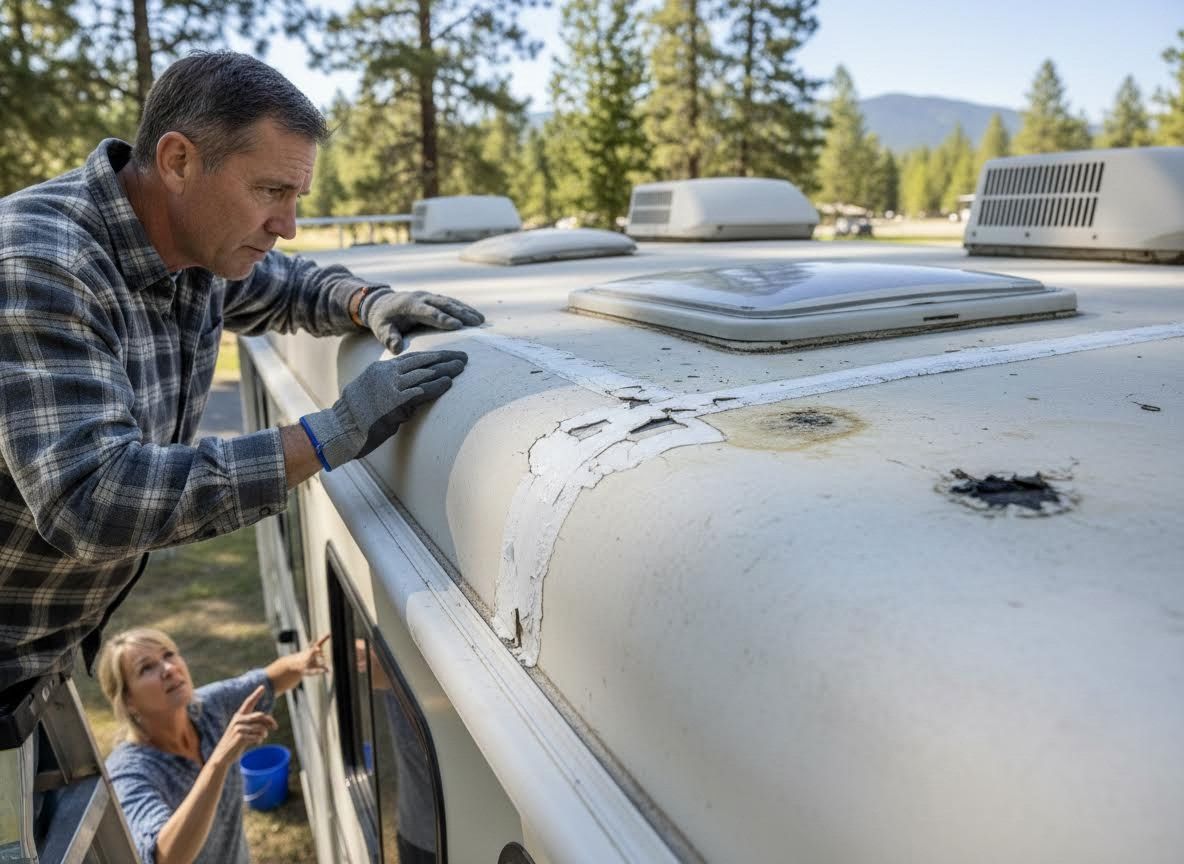
Your RV is more than just a vehicle; it's your home on wheels, a gateway to adventure and cherished memories. Protecting this mobile sanctuary, especially its roof, is paramount to ensuring countless comfortable journeys. Ignoring subtle signs of roof wear and tear can lead to costly water damage, frustrating delays, and cut short your travel plans. That's why it's crucial for every RV owner to know the warning signs that indicate their RV roof needs professional attention, and at Tennessee RV Flexarmor, we believe in empowering you with that knowledge.
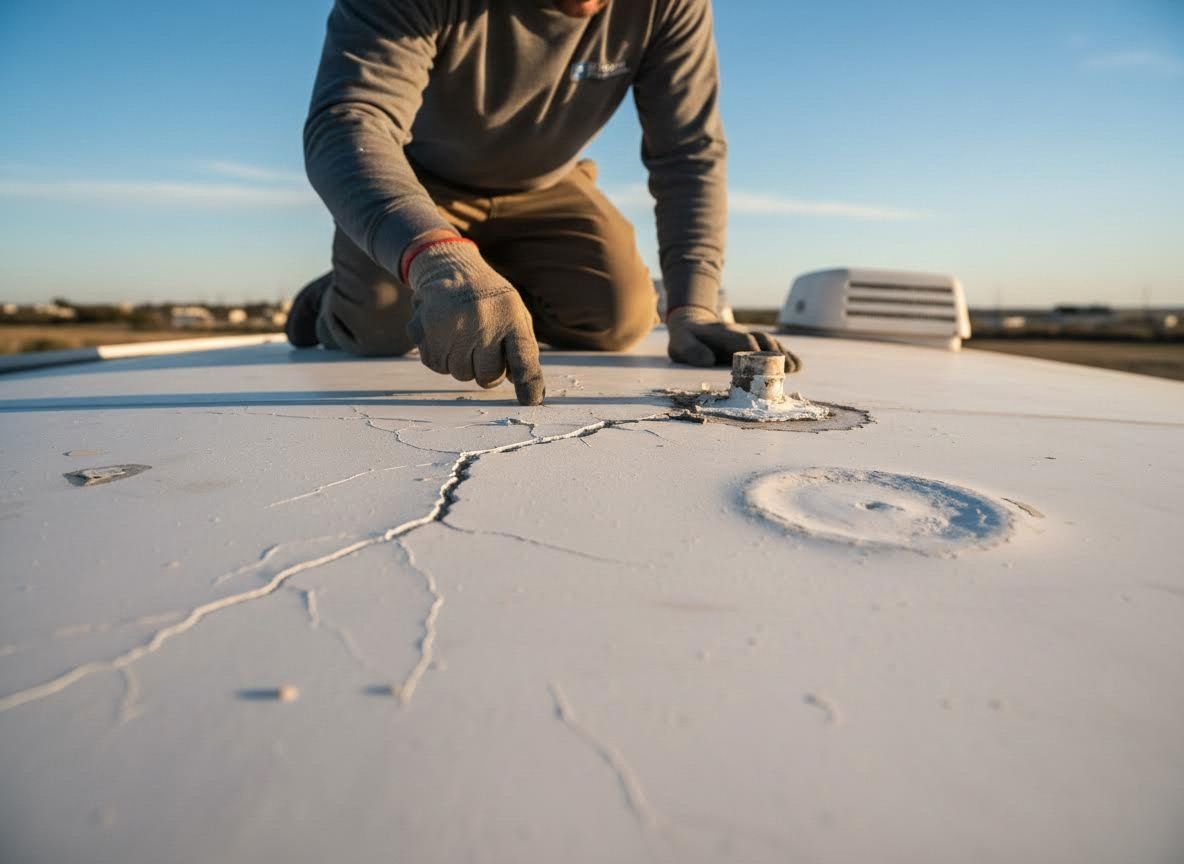
Visual Cues on Your RV Roof Surface
One of the most straightforward ways to assess your RV roof's health is through regular visual inspection. Look for any abnormalities on the surface. Cracks, tears, or punctures, even small ones, are immediate red flags. These breaches compromise the integrity of your RV roof system, creating direct pathways for water intrusion. You should also watch for excessive chalking, where the roof material appears faded or leaves a powdery residue when touched, or noticeable discoloration. These can be signs of UV degradation. Pay close attention to seams and sealants around vents, skylights, and edges. If they are peeling, cracked, or show gaps, they are no longer providing a watertight seal. Finally, any blistering or bubbling on the roof membrane indicates that moisture may already be trapped beneath the surface, signaling a significant issue.
Interior Indicators of Trouble
While exterior signs are often the first to appear, problems with your RV roof can manifest internally, sometimes after water has already begun its insidious work. The most obvious internal indicator is water stains on your ceiling or walls. These can range from faint yellowish marks to dark, unsightly splotches. Even if the stains appear dry, they are a clear sign of past water intrusion that needs immediate investigation. Related to water damage is the presence of mold or mildew, often accompanied by a musty, earthy odor. This not only signifies moisture problems but also poses health risks. Any dripping or active leaks, no matter how minor, demand urgent professional intervention. These internal signs indicate that your RV roof is already failing in its primary duty to protect the interior from the elements.
Performance and Age-Related Factors
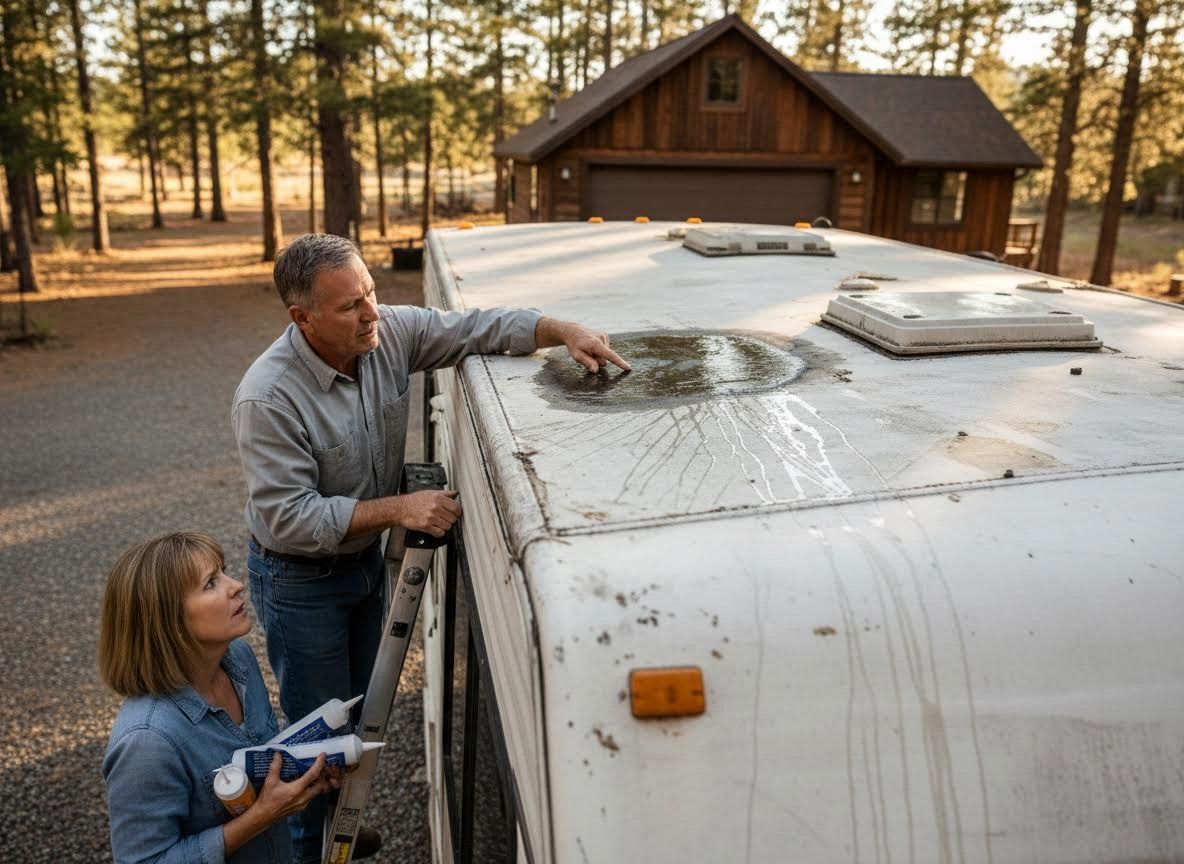
Beyond immediate visual and internal cues, consider the overall performance and age of your RV roof. If you notice a subtle sagging in your roofline, especially after heavy rain or snow, it could indicate structural damage or water saturation within the roof's layers. Another warning sign is the increasing frequency with which you find yourself needing to patch, seal, or re-seal your roof. While some maintenance is normal, a constant need for sealant touch-ups suggests that the underlying RV roof system is deteriorating and temporary fixes are no longer sufficient. Finally, the age of your RV and its roof is a significant factor. Even well-maintained roofs have a lifespan, and if your RV is approaching or beyond its expected roof life, it's wise to have it professionally inspected for potential RV roof replacement options before a major leak occurs.
Taking Action for a Lasting Solution
Recognizing these warning signs early is crucial for the longevity and comfort of your RV. Ignoring them can lead to extensive damage, turning minor repairs into major overhauls. Whether you're seeing small cracks, internal staining, or simply an aging roof, addressing these issues promptly with expert care is the best way to protect your investment and your adventures. When traditional repairs no longer suffice, considering advanced RV FlexArmor solutions can provide the ultimate protection. For a comprehensive evaluation of your RV's roof and to explore durable, long-term solutions like FlexArmor for RV roofs, we invite you to learn more about the advanced protective coatings offered by Tennessee RV Flexarmor.